Start with the question the discussion raised
On November 12, a public r/pharmacy discussion asked where a pharmacy worker could take a concern about care at a long-term-care facility. The account is unverified, and a public discussion cannot establish what happened, which rules applied, or how the people involved responded. The question a small consultant pharmacy practice can use is concrete. If the usual contact is unavailable, can the pharmacist reach a person who can take the next step?
1. Make sure the after-hours route reaches someone
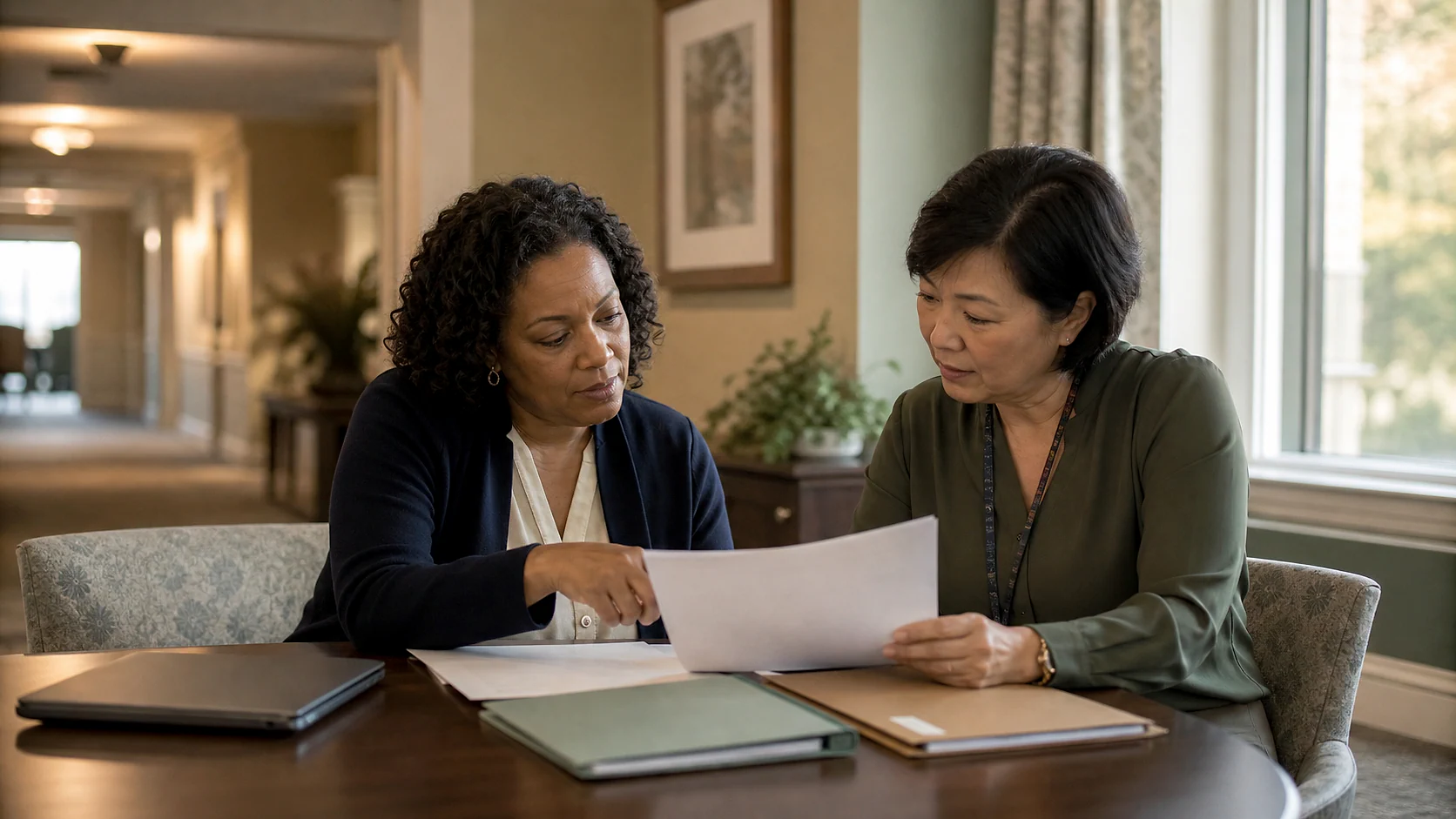
Ask the facility’s nursing lead to walk a covering pharmacist through the after-hours procedure. Begin at the point where the usual contact is unavailable. Which role receives the concern? Who covers that role on weekends? How does the pharmacist reach the covering team through an approved channel? Try a scheduled test with a fictional case and see whether the person who picks up knows where it goes next.
For Medicare- or Medicaid-certified nursing facilities, 42 CFR § 483.45(c)(5) requires facility policies for the monthly drug regimen review to address steps a pharmacist takes when an irregularity requires urgent action to protect a resident. That policy is one place to verify the urgent route for a finding from the review. Rehearse the applicable local route jointly, including when the facility expects its alternate contact to be used.
2. Ask who accepted the next action
AHRQ’s TeamSTEPPS describes a check-back as a way to confirm that both people understood the same message. Apply it to the part of the handoff most likely to get lost. Have the receiver confirm what they agreed to do and when the team expects another update. In the approved record, capture the time, the receiving role and the next check. A time-stamped outgoing message documents the attempt. Acceptance and completion each need their own evidence.
Ask the covering pharmacist to open the approved record without a verbal briefing. Can they find the last attempt, the promised update and the alternate contact? If the window has passed, make the next responsible role visible. The aim is a handoff someone can pick up during a busy shift.
Try a second version of the exercise in which someone confirms receipt and asks for time to follow up. Check where both teams can see the pending status and who will call or write back. A small practice can use these answers when it agrees on coverage with a new client or updates instructions before a holiday. Give the contact list an owner and a review date so the next person knows which version to trust.
3. Preserve the written review alongside the call
When a drug regimen review identifies an irregularity, § 483.45(c)(4) specifies a separate written report to the attending physician, medical director and director of nursing. The attending physician documents review and any action in the resident’s record, with a rationale expected when the medication remains unchanged. In a walkthrough, trace the phone call and the written report separately. Check where staff can find the physician’s response and how the practice carries an unresolved item through a shift or coverage change.
4. Check the reporting procedure before you need it
At certified nursing facilities, § 483.12(c) sets facility duties for reporting and investigating certain allegations. A separate provision, § 483.12(b)(5), addresses reasonable suspicion of a crime and the duties of covered individuals in federally funded long-term care facilities. The two provisions have distinct triggers and timing. State law and the person’s role also matter. Ask the facility and practice leads where current instructions live and who keeps the reporting contacts and time frames current.
A short tabletop can finish that conversation. Give the covering pharmacist a fictional concern and ask them to find the designated recipient, their backup and the place to record a response. Confirm where the separate reporting procedure is available. Update the shared instructions while everyone who owns a step is in the room.